Flower Tea Cup: A Thoughtful Icon for Embroidery Projects
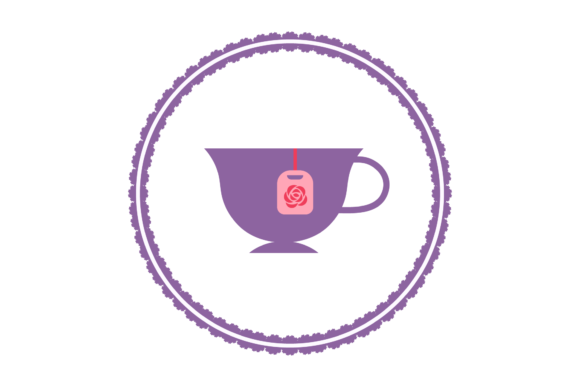
As a designer who’s stitched hundreds of icons onto everything from linen tea towels to baby onesies, I opened Flower Tea Cup expecting charm—and found something more useful: quiet intentionality. This isn’t a busy floral motif or a fussy teacup illustration. It’s a clean, centered icon with soft curves, balanced negative space, and just enough botanical detail to feel handmade—not algorithmic. The mood is gentle, warm, and quietly confident—like a well-brewed chamomile steeping in morning light.
I tested Flower Tea Cup as part of a small-batch embroidered tote bag line for a local café. The bags are unbleached cotton canvas, medium weight, with a relaxed, artisanal vibe. When I mocked up the design on a 4-inch hoop (a common size for totes and aprons), it sat beautifully—neither cramped nor lost. The cup’s handle has subtle taper; the flower sits just above the rim without crowding it. That kind of spatial awareness matters. It means fewer re-hooping attempts, cleaner satin stitch edges on the cup’s curve, and no awkward clipping when digitizing for machine embroidery.
For custom apparel, Flower Tea Cup shines on sweatshirts and relaxed-fit tees—especially where subtlety reads as sophistication. On a charcoal crewneck, it reads like a quiet signature rather than a loud graphic. On baby onesies? Yes—but only on sizes 6M and up. The stem of the flower and inner cup contour are delicate enough that under 3 inches tall, fine details risk blurring with fill stitch density or stabilizer show-through. I’d avoid it on newborn caps or stretchy bamboo knits unless paired with lightweight tear-away stabilizer and reduced stitch count.
This icon works especially well for products where the *idea* of tea carries emotional weight: nursery decor, wedding guest favors, “mom life” aprons, holiday kitchen towels, or personalized gifts for teachers and therapists. One Etsy seller I consulted used Flower Tea Cup on a set of embroidered linen pillow covers for a bridal shower—soft sage thread on ivory linen. Customers commented not just on cuteness, but on how “calm” and “intentional” it felt. That’s the difference between decoration and resonance.
Where caution is needed: textured fabrics like terry cloth or heavy burlap. The design’s clean lines rely on contrast and clarity—both of which soften quickly on high-pile surfaces. Dark fabric demands careful thread selection: a matte ecru or oatmeal works better than stark white, which can glare. And while the PNG and SVG files make it easy to resize for digital mockups, remember—scaling down below 2.5 inches risks losing definition in satin-stitched areas like the cup’s rim or flower center. Always test on scrap fabric first, especially if planning an applique design or layered embroidery project.
Stitch density isn’t specified in the product listing—but based on the vector precision and 1920px × 1280px canvas, this is clearly built for scalability, not dense fill work. That’s good news. It means lower thread consumption, smoother hooping, and less risk of puckering on lightweight cottons or quilting-weight linens. For commercial embroidery, that translates to faster turnarounds and tighter margins. For hobbyists? Less frustration when re-threading or adjusting tension mid-stitch.
I also ran Flower Tea Cup through black-and-white mockups—critical for assessing value contrast before committing to thread colors. It held up cleanly. No muddy gradients, no ambiguous edges. That reliability builds customer trust: when buyers see a crisp preview online and receive a crisp finished product, they’re more likely to reorder or tag your shop. In a crowded Etsy landscape, consistency like that quietly strengthens brand recognition—even for a single icon.
As a craft business owner, I appreciate that Flower Tea Cup doesn’t shout. It invites pause. That makes it versatile across seasons—equally at home on spring baby blankets and cozy winter mugs. It also pairs well with minimal typography (think “Brew Joy” or “Sip Slowly”) without competing visually. For printable mockups or digital product previews, the AI and EPS files give full vector control—ideal for resizing across product listings, social banners, or packaging labels.
Practical notes for embroidery designers:
- Always check stitch density and underlay in your embroidery software—even with clean vector files, auto-digitizing can overfill delicate stems or petals.
- Test on both light and dark fabric swatches using your intended stabilizer. A medium-weight cutaway works best for structured items like patches or tote bags; tear-away is sufficient for stable woven fabrics like tea towels.
- If using for an embroidered patch, confirm the design fits comfortably within standard patch borders (typically 3–4 inches wide) without clipping corners or compressing proportions.
- Review licensing terms before selling finished items—this is an Icons category graphic, so commercial use may require verification. When in doubt, reach out to the creator.
- Use the JPG and PNG files for quick client approvals or social media teasers; reserve AI/EPS/SVG for precise editing, scaling, or integration into larger layout files.
What stands out most about Flower Tea Cup isn’t technical perfection—it’s thoughtful restraint. In a market flooded with oversized, hyper-detailed, or trend-chasing graphics, this icon chooses clarity over clutter. It respects the stitcher’s time, the fabric’s behavior, and the buyer’s desire for something meaningful—not merely decorative. Whether you’re stitching for joy, profit, or gifting, Flower Tea Cup earns its place in your embroidery project toolkit—not as filler, but as a quiet anchor.
It’s the kind of design that doesn’t need explanation. Just a good hoop, steady hands, and the right thread—and suddenly, your handmade product feels like a promise kept.